
Orthopedic Patients
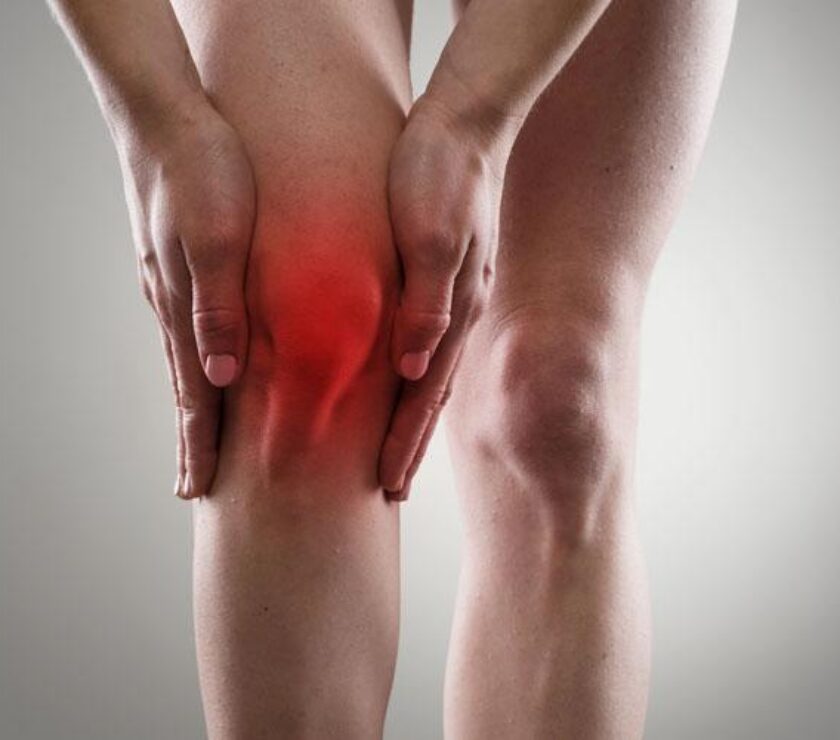
You’ve tried physical therapy, adjusted your activities, and perhaps received an injection, but your knee still bothers you when you walk, climb stairs, or exercise. If you’re looking for another non-surgical treatment, you may have come across platelet-rich plasma (PRP) therapy.
PRP uses a concentrated portion of your own blood, but that doesn’t mean it can repair every joint problem. Its effectiveness depends on the condition being treated, and research findings have been mixed, particularly for knee osteoarthritis.
At LA Orthopedics, we understand how frustrating it can be when joint pain continues despite treatment. Dr. Shahab Mahboubian evaluates the source of your pain, the condition of your joint, and your response to previous treatments to help determine whether PRP or another orthopedic treatment may be appropriate.
What Is PRP Therapy, and How Does It Work?
Platelet-rich plasma therapy uses a concentrated preparation of platelets obtained from a sample of your own blood. Platelets are best known for helping blood clot, but they also contain proteins involved in the body’s normal response to tissue injury.
During PRP preparation, a small blood sample is placed in a centrifuge, which spins the blood to separate its components. The resulting platelet-rich preparation can then be injected into a targeted joint or tissue.
Researchers are studying whether the signaling proteins released by platelets can influence inflammation and other biological processes associated with tissue repair. However, these potential mechanisms don’t necessarily translate into predictable clinical results.
For patients with knee osteoarthritis, some studies have reported improvements in pain and function following PRP injections. Other studies have found limited benefit compared with placebo or other treatments. PRP preparations and injection protocols also vary, making it difficult to predict how an individual patient will respond.
Importantly, PRP has not been reliably shown to regrow cartilage or reverse advanced osteoarthritis.
What Orthopedic Conditions May Be Considered for PRP Therapy?
PRP has been investigated for several orthopedic conditions, although the strength of the evidence differs considerably. An accurate diagnosis is essential before deciding whether an injection is worth considering.
Mild-to-Moderate Knee Osteoarthritis
Knee osteoarthritis develops when cartilage and other structures within the joint undergo gradual changes that can contribute to pain, stiffness, and reduced mobility.
Some clinical studies suggest PRP injections may improve symptoms in selected patients with mild-to-moderate knee osteoarthritis. However, the research is inconsistent, and major orthopedic organizations have reached different conclusions about its routine use.
The American Academy of Orthopaedic Surgeons (AAOS) provides additional information about PRP and its potential orthopedic applications.
PRP should be considered a possible symptom-management option rather than a treatment that restores damaged cartilage. Patients with severe arthritis, substantial joint deformity, or significant functional limitations may benefit more from discussing other treatments, including joint replacement when appropriate.
Chronic Patellar or Quadriceps Tendon Pain
Tendons connect muscles to bones and help transfer force during movement. The patellar tendon supports knee extension, while the quadriceps tendon connects the thigh muscles to the kneecap.
Persistent tendon pain can develop from repetitive loading, sports activities, or degenerative changes. PRP has been studied for certain chronic tendon conditions, but results vary by tendon and study design.
For most patients, a structured rehabilitation program that gradually restores strength and loading tolerance remains an important part of treatment. PRP may be discussed in selected cases when symptoms persist despite appropriate conservative care, but it should not be presented as a proven method for repairing chronic tendon damage.
Meniscus and Ligament Injuries
Meniscus tears and ligament injuries can cause knee pain, swelling, or instability. Treatment depends on the location and severity of the injury, the stability of the joint, and your activity goals.
Although PRP has been investigated as an additional treatment for certain soft-tissue injuries, evidence does not establish that injections alone reliably heal meniscus tears or damaged ligaments.
Some injuries improve with rehabilitation and activity modification, while others may require surgical evaluation. An orthopedic examination and appropriate imaging can help determine which approach makes sense.
Pain in Other Joints
PRP has also been studied for selected tendon and joint conditions involving the shoulder, hip, and other areas. However, findings from knee osteoarthritis studies cannot automatically be applied to other joints.
A treatment that appears helpful for one condition may offer little benefit for another. Before considering PRP for pain outside the knee, it’s important to establish the diagnosis, review the available evidence, and confirm whether the treatment is appropriate for the affected tissue.
PRP vs. Cortisone vs. Hyaluronic Acid: How Do They Compare?
If you’ve already tried injections for joint pain, you may wonder whether PRP offers an advantage over more familiar treatments. The answer depends on your diagnosis, how you responded to previous care, and what you’re hoping to achieve.
Corticosteroid injections are used to reduce inflammation and may provide short-term relief for knee osteoarthritis. They can be helpful when symptoms flare, although repeated injections require careful consideration because of potential effects on joint tissues.
Hyaluronic acid injections are intended to improve symptoms by supplementing substances naturally found in joint fluid. However, studies have shown inconsistent benefits, and they are not routinely recommended for knee osteoarthritis by major orthopedic guidelines.
PRP injections use platelets obtained from your own blood. Some studies suggest improvements in pain and function for selected patients, but results are inconsistent, and PRP has not been proven to rebuild cartilage.
The distinction matters because PRP isn’t automatically a better treatment simply because it uses biological material. The AAOS knee osteoarthritis guideline describes the evidence for PRP as limited, while the American College of Rheumatology and Arthritis Foundation guideline recommends against PRP for knee and hip osteoarthritis because of concerns about inconsistent preparations and insufficient evidence.
At LA Orthopedics, the appropriate discussion starts with identifying the source of your pain and reviewing which treatments have a reasonable chance of helping.
What Results Can You Realistically Expect From PRP?
One of the most important questions to ask before considering PRP is what improvement would look like for your particular condition.
Some patients report less pain or improved movement after treatment. Others experience little improvement, and research has not established a reliable way to predict individual outcomes.
When PRP does help, improvement may develop gradually over several weeks rather than immediately. The duration of relief varies, and there is no guaranteed timeline.
PRP should not be viewed as a way to reverse severe arthritis, repair a major ligament injury, or eliminate the need for surgery in every case. If your knee has substantial structural damage or persistent instability, treating the underlying problem may require a different approach.
What Happens During a PRP Evaluation and Injection?
Before considering an injection, your orthopedic provider should determine what is causing your symptoms. Knee pain can arise from arthritis, tendon disorders, meniscus injuries, ligament problems, or conditions involving surrounding tissues.
At LA Orthopedics, Dr. Shahab Mahboubian can review your symptoms, examine the affected joint, and discuss relevant imaging and treatment history to help identify appropriate next steps.
If PRP is offered and determined to be suitable for your condition, the procedure generally involves drawing a sample of blood, processing it in a centrifuge, and injecting the prepared platelet-rich plasma into the targeted area. Depending on the location and clinical circumstances, imaging guidance may be used.
The number of injections and treatment intervals can vary. There is no universally established PRP protocol that works best for every orthopedic condition.
You should also receive instructions about medications, activity restrictions, and follow-up care based on the procedure and your medical history.
Is PRP Therapy Safe?
Because PRP is prepared from your own blood, allergic reactions to the injected material are generally uncommon. However, that doesn’t make the procedure risk-free.
Temporary soreness, swelling, or increased discomfort can occur after an injection. Bleeding, infection, and injury to nearby structures are less common but important potential complications.
Your physician should review your medications and medical history beforehand. Certain bleeding disorders, infections, or other medical concerns may affect whether treatment is appropriate.
Some PRP protocols recommend avoiding nonsteroidal anti-inflammatory medications, such as ibuprofen or naproxen, around the time of treatment. These instructions vary, and you should not stop prescribed medications without guidance from the clinician managing them.
Recovery recommendations also depend on the tissue being treated. A patient receiving an injection for knee arthritis may receive different activity instructions than someone being treated for a chronic tendon condition.
When Might PRP Not Be the Right Choice?
PRP isn’t necessarily appropriate for every patient who wants to avoid surgery.
If you have advanced knee arthritis with substantial joint deformity, significant instability, or severe limitations in daily activities, an injection may not adequately address the underlying problem.
Similarly, a complete ligament rupture, an unstable meniscus tear, or another structural injury may require treatment beyond an injection.
There are also situations in which established non-surgical treatments deserve consideration first. Exercise-based rehabilitation, activity modification, appropriate medications, and other treatments have stronger evidence for many common orthopedic conditions.
The purpose of an evaluation is to determine which approach best fits your diagnosis rather than assuming PRP should be the next step after another treatment stops helping.
Why Choose LA Orthopedics for a PRP and Joint Pain Evaluation?
When knee or joint pain persists, finding the right treatment begins with understanding why you’re experiencing symptoms.
At LA Orthopedics, Dr. Shahab Mahboubian evaluates orthopedic conditions involving the joints and surrounding structures. Our approach considers your examination findings, relevant imaging, previous treatments, and the activities you’re hoping to return to.
As an orthopedic practice serving Burbank and the greater Los Angeles area, we can help you understand the differences between non-surgical treatment options and when surgical evaluation may be appropriate.
PRP is one treatment worth discussing in selected circumstances, but it isn’t a substitute for an accurate diagnosis or a comprehensive treatment plan.
Our goal is to help you make an informed decision based on your condition, the available evidence, and realistic expectations.
Frequently Asked Questions About PRP Therapy
Does PRP Work for Knee Osteoarthritis?
Some studies suggest PRP may improve pain and function in selected patients with knee osteoarthritis, but findings are inconsistent. Major medical organizations differ in their recommendations, and PRP has not been reliably shown to regenerate cartilage. Your orthopedic provider can explain how the available evidence applies to your condition.
Is PRP Therapy Covered by Health Insurance?
PRP injections are frequently not covered by health insurance for knee osteoarthritis because many insurers consider the treatment investigational or not medically necessary. Coverage varies by insurer, diagnosis, and plan. Confirm your benefits and any potential out-of-pocket costs before scheduling treatment.
How Many PRP Injections Will I Need?
There is no single injection schedule that is appropriate for every patient. Research studies have used different preparations and treatment schedules, and an optimal protocol has not been established for all orthopedic conditions. Your provider should explain the proposed plan and the uncertainty surrounding expected results.
Is PRP Better Than a Cortisone Injection for Knee Pain?
Neither treatment is automatically better for every patient. Corticosteroid injections have an established role in short-term symptom relief for knee osteoarthritis, while evidence for PRP remains mixed. The appropriate choice depends on your diagnosis, treatment history, medical considerations, and goals.
Can PRP Regrow Cartilage or Prevent Knee Replacement?
PRP has not been reliably shown to regrow lost cartilage or reverse advanced knee osteoarthritis. Some patients may experience symptom improvement, but treatment cannot be expected to prevent or indefinitely postpone knee replacement when surgery is otherwise indicated.
How Long Does It Take to Recover After a PRP Injection?
Temporary soreness may occur during the first few days after treatment. Activity recommendations depend on the injection site and the condition being treated. Your provider may recommend modifying exercise or rehabilitation activities for a period after the procedure. Any potential improvement in symptoms may take several weeks to become noticeable.
Schedule a Joint Pain Evaluation at LA Orthopedics
If knee pain is interfering with exercise, work, or everyday movement, you don’t have to decide which injection or procedure you need before seeking an evaluation.
At LA Orthopedics, Dr. Shahab Mahboubian can assess your symptoms, review your treatment history, and discuss whether PRP or another orthopedic treatment may be appropriate. We’ll help you understand the available options, their limitations, and what to expect before making a treatment decision.
Contact LA Orthopedics to learn more about our orthopedic services and request a consultation in Burbank, serving patients throughout Los Angeles.
Disclaimer: This article provides general orthopedic education and is not a substitute for individualized medical advice. PRP treatment outcomes vary, and the effectiveness of PRP for several orthopedic conditions remains uncertain. Consult a qualified orthopedic clinician for an evaluation and personalized treatment recommendations.